
Insulated Panels
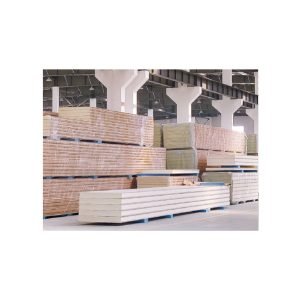
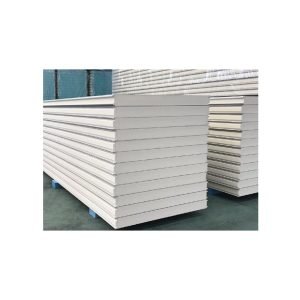
Insulated panels are specialised sandwich panels designed for the construction of cold rooms, freezer rooms, and temperature-controlled storage facilities. Widely used in supermarkets, food processing plants, distribution centres, restaurants, and commercial cold storage projects, these panels provide the thermal insulation required to maintain stable internal temperatures while minimising energy consumption. Manufactured with high-performance insulating cores and durable protective finishes, insulated panels form the structural and thermal envelope of a cold room. Selecting the correct panel specification is essential for achieving efficient operation, temperature stability, and long-term cold storage performance.
What to Consider When Sourcing Insulated Panels
When selecting insulated panels, the most important considerations are insulation thickness and thermal performance. The required panel specification depends on the intended application, operating temperature, and energy-efficiency requirements. Freezer rooms typically require thicker insulated panels than chilled storage rooms to maintain lower temperatures and reduce heat transfer.
You should also consider panel construction, jointing systems, and surface finishes. High-quality locking systems help create airtight connections and simplify installation, while hygienic, corrosion-resistant finishes are important for food storage and processing environments. Fire performance, structural requirements, and compatibility with both wall and ceiling applications should also be considered during project planning.
SIS Refrigeration supplies insulated panels in a range of thicknesses, finishes, and specifications suitable for cold rooms, freezer rooms, food processing facilities, and commercial cold storage projects.
Frequently Asked Questions
What thickness of insulated panel is required for a cold room?
The required thickness depends on the target operating temperature and insulation performance requirements. Freezer rooms generally require thicker panels than chilled storage applications.
Are insulated panels suitable for food storage environments?
Yes. Hygienic, food-safe, and corrosion-resistant finishes are available for cold rooms, food processing facilities, and commercial storage applications.
How are insulated panels joined together?
Most insulated panels use specialised locking systems that create strong, airtight connections while allowing fast and efficient installation.